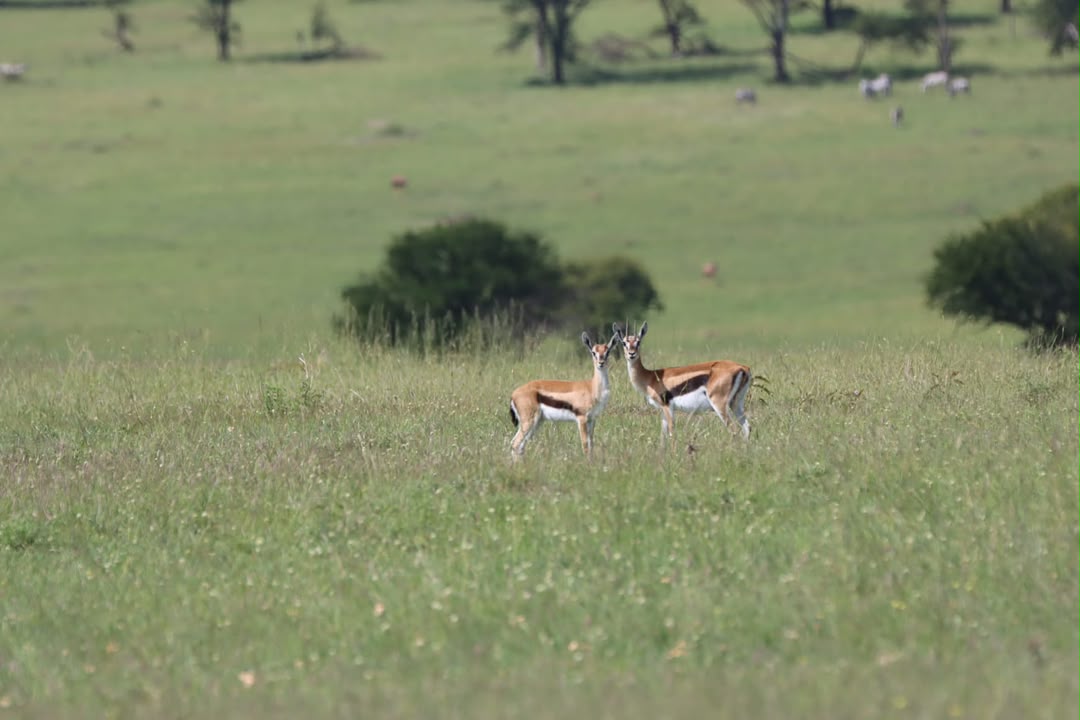

Evaluating mobility, sensory and medical requirements honestly is easier with local knowledge. Here is how we approach it at Indigo, from vehicle access to toilet and pathway conditions.
Overview
This guide is for travellers weighing up routes, budgets and the practical details. It focuses on evaluating mobility, sensory and medical requirements honestly. Anywhere in Tanzania, a good trip comes down to matching expectations with geography, season, transport and the time you have.
Four themes run through it: vehicle access, room layouts, airstrip assistance and toilet and pathway conditions. They are connected. Where you stay affects transfer times, transfer times set the pace of the day, and the pace decides whether the experience feels immersive or rushed.
How we see it: Rules, fees, health advice, schedules and road conditions all change from time to time. Use this guide as a planning framework; we confirm the current details for every trip we plan, and official sources have the final word.
Why it is worth your time
Done well, this adds something distinct to a Tanzania trip: landscape, wildlife, history, community life or sport that you will not find in quite the same form elsewhere. It helps to ask what you want to understand or feel, not only what you want to photograph.
Vehicle access: treat this as a core part of the experience and give it time to unfold naturally.
Room layouts: ask how timing, access and season change what is realistic.
Airstrip assistance: build the itinerary around the setting rather than copying a standard route.
Toilet and pathway conditions: this is where a knowledgeable local guide adds real value.
It also fits differently into different trips. A first-time visitor may want a broad introduction, while a returning traveller may prefer depth, quiet and specialist guiding. Families, photographers, runners, divers and travellers with mobility needs will each want a different pace, and we plan for that.
What to expect on the ground
Treat vehicle access as a real decision, not a small detail. Note the assumption you are making and confirm it before paying anything non-refundable.
Compare options for room layouts by their effect on time, comfort and total cost. The cheapest headline price can hide extra transfers or exclusions.
Keep the paperwork for airstrip assistance available offline. Screenshots, booking references and emergency contacts are invaluable when the signal drops.
Look at toilet and pathway conditions again shortly before you travel. Regulations, schedules and personal circumstances can all change after the original booking.
Together, these explain why two trips built on the same idea can feel quite different, even on a similar route. Good planning sets up a rewarding experience; it does not try to remove the natural and human variety that makes travel worthwhile.
How we plan it
We start with the fixed points: your international arrival and departure, any event or permit dates, and the nights that cannot move. Then we map realistic transfers. Distances in Tanzania can look short on a map and take much longer because of road surfaces, park speed limits, ferry procedures, traffic or weather.
1. Define the purpose: decide how central vehicle access should be to the whole trip.
2. Choose the right base: compare places to stay by actual transfer time to the activity, not by name alone.
3. Protect the key day: put the most important activity after a buffer night whenever a delay would be costly.
4. Leave room to breathe: rest, weather changes and unplanned stops are part of good travel.
Every itinerary we send is a flexible starting point. The confirmed proposal then states the exact accommodation, transport, activities, inclusions and payment terms, so you know exactly what you are booking.
A flexible itinerary outline
This outline can be shortened or stretched to suit your dates and budget.
Arrival: vehicle access. Keep the first part light and confirm the next transfer.
Core experience: room layouts. Give the main activity the best time of day.
Deeper context: airstrip assistance. Add a guided walk, local interpretation or a contrasting setting nearby.
Departure or extension: toilet and pathway conditions. Build in a buffer before flights, ferries, races or match days.
A short trip should do fewer things well. A longer one can vary the rhythm: an active morning followed by a quiet afternoon, or a long transfer followed by two nights in one place. Lots of one-night stays mean more packing, more check-ins and more fatigue.
What to confirm before you travel
Season and conditions: rainfall, temperature, tides, road access and event calendars can all change journey times and whether an activity suits you.
Access: gate hours, flights, ferries, transfers, permits and luggage limits. One missed connection can knock on to several later services.
Cost: taxes, conservation fees, meals, tips, equipment and transfers. Headline rates are rarely comparable until you know what is included.
Health and safety: travel insurance, medical advice, fitness, water, sun and emergency contacts. Requirements vary by activity and by person.
Entry rules and park regulations come from the official authorities, and personal health decisions belong with a qualified medical professional. Event details in particular change often, so always check the latest official information.
Travelling responsibly
Responsible travel starts with everyday choices. Follow your guide's instructions, keep a respectful distance from wildlife, stay on permitted routes and never ask a driver or boat crew to break the rules for a photograph. In communities, ask before photographing people and do not treat daily life as a performance.
Choose operators and lodges that can tell you how they employ local people, manage waste and water, support conservation and buy locally. Those answers mean more than an "eco" label. Carry a refillable water bottle, cut down on single-use items and take batteries and hard-to-handle waste home with you.
Respect also means telling the story accurately. Tanzania is not an empty wilderness and its communities are not frozen in time. These are living places, shaped by ecology, history, livelihoods and conservation choices.
Frequently asked questions
When should I start planning?
As soon as your dates are known, especially for peak seasons, holidays and event dates, when the best-placed lodges fill first. Hold back non-refundable payments until the route is settled.
Which details change most often?
Entry and visa rules, park and conservation fees, flight schedules, health advice and event dates. Check them again shortly before you travel; we reconfirm them for every trip we plan.
How do I avoid unnecessary stress on the trip?
Fewer moves, realistic transfers and a buffer night before international flights. Keep essential documents and contacts available offline.
Can this be combined with other parts of Tanzania?
Usually, yes. The best combinations avoid backtracking and use the most reliable connection available. We compare road and air options by total door-to-door time, not just the scheduled journey.
Plan it with Indigo
Our team is based in Arusha and plans every trip privately, around your dates and pace. These journeys and guides are a good place to start:
Classic Northern Circuit: https://indigoafrikanadventures.com/safaris/classic-northern-circuit/
Safari & Zanzibar Escape: https://indigoafrikanadventures.com/safaris/safari-zanzibar-escape/
Nothing here is fixed. Tell us what you have in mind and we will send a written proposal with the exact route, accommodation and inclusions.
Useful official sources
Fees, opening hours, rules, routes, venues and health requirements change. Before you book, check the latest details with the official source:
Tanzania Tourist Board: https://tanzaniatourism.go.tz/
Tanzania National Parks: https://www.tanzaniaparks.go.tz/
UNESCO World Heritage, Tanzania: https://whc.unesco.org/en/statesparties/tz